

Wild Matters
A Conservation Publication of the Indianapolis Zoo
Field Notes from South Africa
Nico de Bruyn, Ph.D., Vice President of Conservation and Education & Director of the Global Center for Species Survival
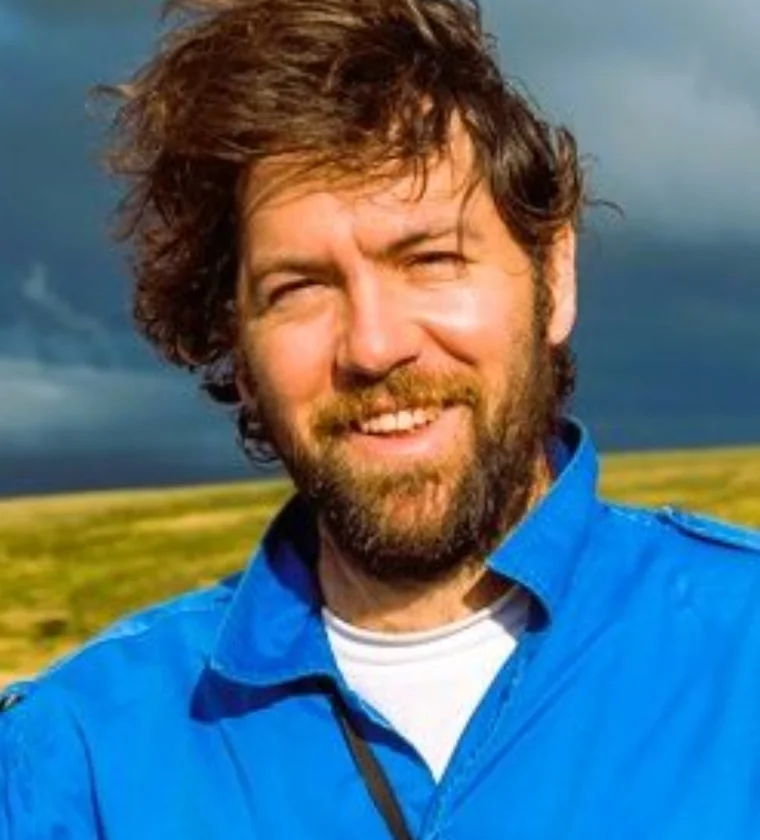
It is easy to speak about global conservation in abstract terms. It is much harder, and far more valuable, to experience its realities firsthand.
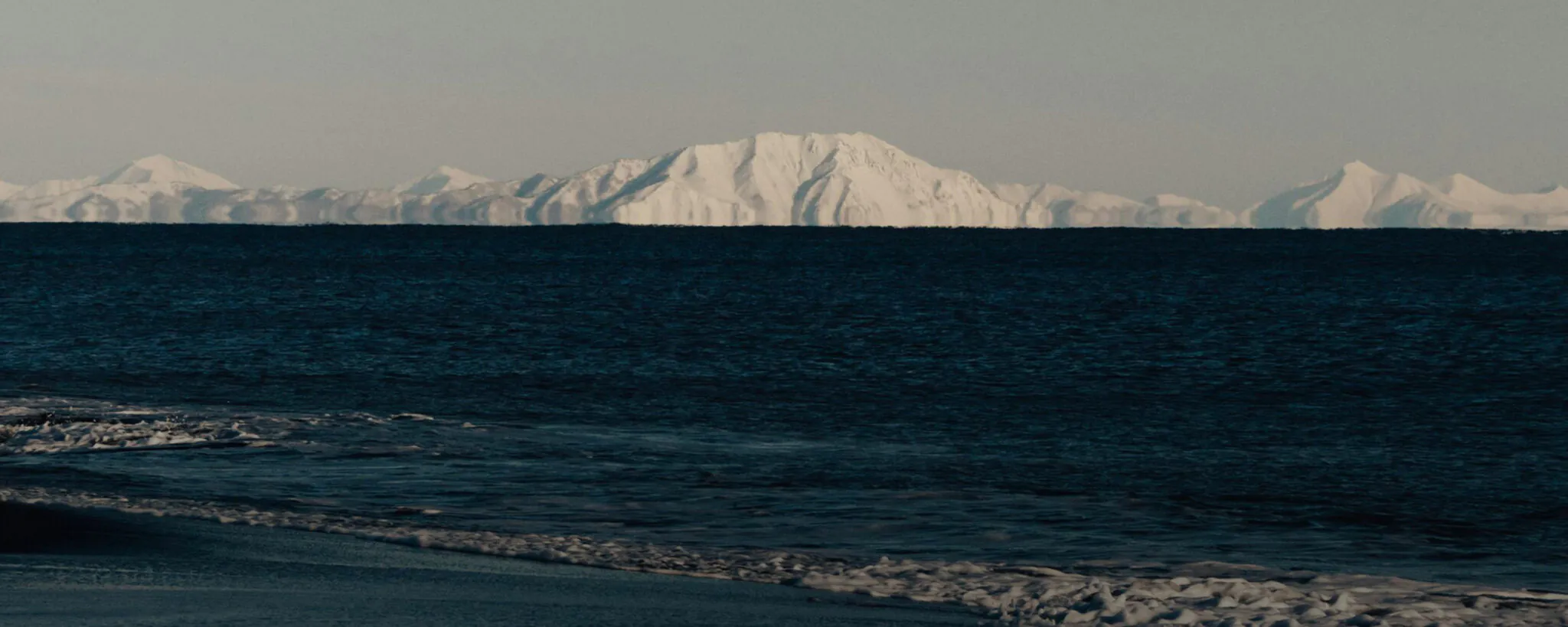
A recent trip to South Africa reinforced just how much context shapes conservation outcomes. The Savanna Science Network Meeting in Kruger National Park has been a constant in my career. This was my 15th time participating, but this was the first time attending in my current role. That shift mattered. While I once focused on advancing ecological understanding, I now look more critically at how knowledge translates into action. Discussions on fire, elephants and the impacts of recent flooding were not just scientifically interesting; they highlighted the increasing need for management systems that can respond quickly to change while maintaining long-term direction.
Fieldwork with Harvard colleagues on rhino middens provided a complementary perspective. The work focuses on the visible loss of rhinos as well as the gradual erosion of their ecological role. These less visible changes accumulate, reshaping ecosystems in ways that are difficult to reverse—and even harder to quantify—yet are essential for guiding future conservation priorities.
Moving beyond Kruger through the Kingdom of Eswatini and then South Africa’s KwaZulu-Natal province brought the importance of context into sharper relief. Smaller reserves, like Mkhuze, hold significant biodiversity value but operate under far tighter constraints. Compared to Kruger’s scale and resourcing, the pressures from surrounding communities, poaching and governance challenges on small reserves are more immediate and often more limiting. The contrast is instructive: ecological value alone does not ensure success. Conservation outcomes depend equally on the management, resources and social systems surrounding a protected area.
Time at uShaka Marine World reinforced this from an institutional perspective. Operating within a complex and sometimes unstable environment, it demonstrates how strong leadership and clarity of purpose can deliver meaningful conservation and education outcomes. There is clear potential for deeper collaboration and shared learning with the Indianapolis Zoo.
Trips like this do not just inform, they recalibrate. They ensure our work at the Global Center for Species Survival remains grounded in reality, responds to variation and is focused on where it can make the greatest difference.
American Burying Beetle
When the public thinks about conservation, they tend to think of large or “cuddly” animals that are easily recognizable. While conservation work on these species is vital, there are lesser-known species doing the less-glamourous work that play an equally important role in the ecosystem.
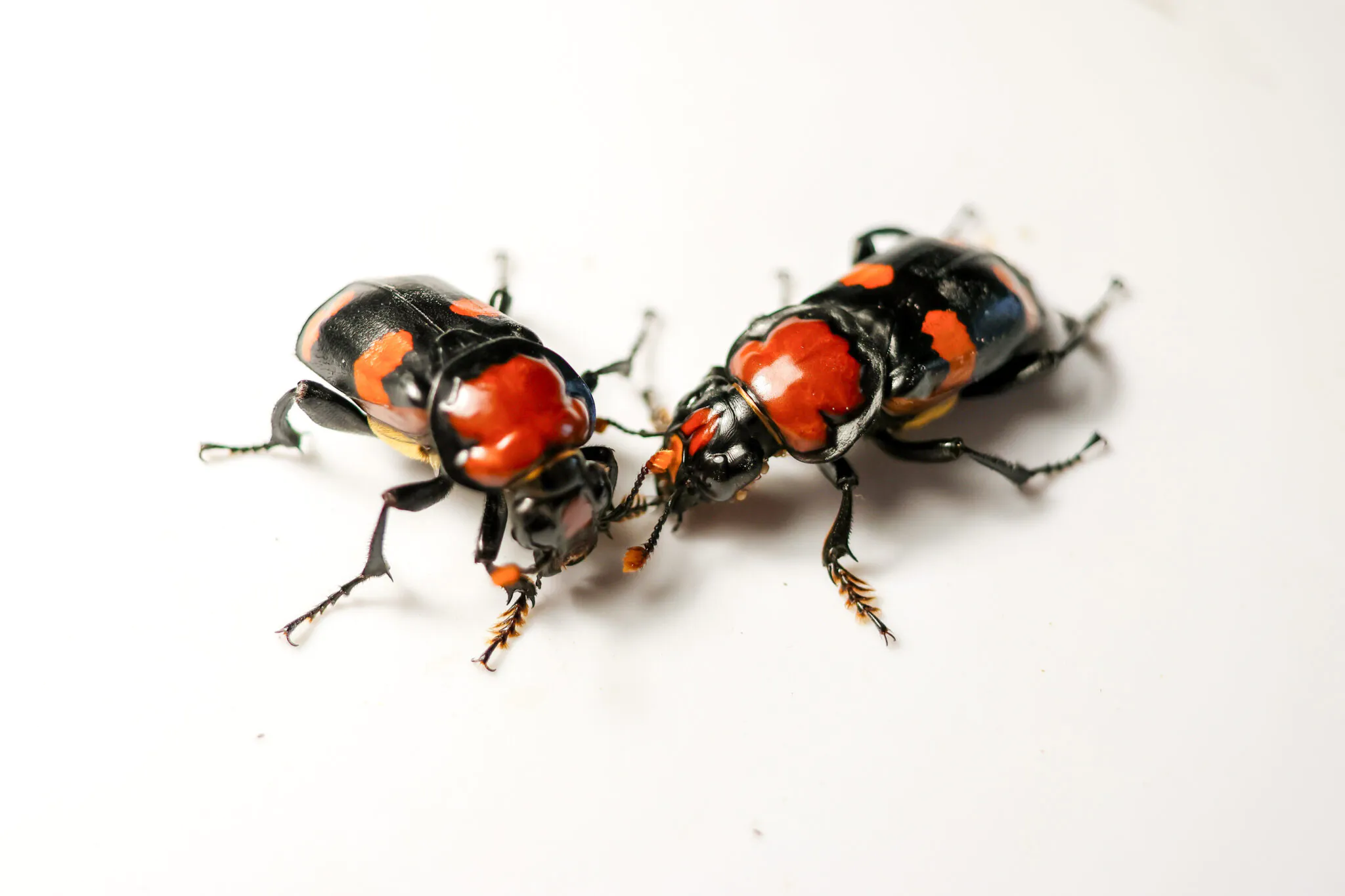
One such species is the American burying beetle (Nicrophorus americanus). The largest carrion beetle in North America, measuring approximately 1.5 inches in length, this beetle plays an important role in its ecosystem that many tend to overlook.
“The American burying beetle is a high-end recycler, utilizing carrion (dead or decaying animals) for reproduction and turning it back into soil nutrients,” explained Lou Perrotti, AZA SAFE American Burying Beetle co-coordinator and director of Conservation Programs at the Roger Williams Park Zoo. “By eliminating carrion from the landscape, this also limits fly takeover and fly populations that could potentially spread diseases.”
The American burying beetle species was once thriving and could be found in 35 states across the country. Unfortunately, it lost 90% of its range due to threats like habitat loss, competition for reproductive resources and climate change. It was listed as Endangered in 1989 by the U.S. Fish and Wildlife Service (USFWS). Today, American burying beetle populations are limited to Arkansas, Oklahoma, Kansas, Nebraska and parts of Texas, South Dakota and Block Island in Rhode Island.
Conservationists began monitoring existing populations of American burying beetles to reintroduce them to places they once thrived, like Penikese Island and Nantucket off the coast of Massachusetts. Several zoos, including the Saint Louis Zoo, Roger Williams Park Zoo, Cincinnati Zoo and Botanical Gardens and The Wilds outside Columbus, Ohio, stepped in to help the struggling species by housing and reproducing them in captivity.
Monni Böhm, freshwater conservation coordinator at the Global Center for Species Survival at the Indianapolis Zoo, is one of many conservationists working to save this species. As coordinator for the International Union for Conservation of Nature (IUCN) Species Survival Commission (SSC) Terrestrial and Freshwater Invertebrate Red List Authority (TIRLA), she assists in overseeing Red List assessments for any terrestrial and freshwater invertebrates that do not yet have a designated IUCN SSC Specialist Group. Specifically, Böhm, TIRLA colleagues and other researchers across North America are updating the IUCN Red List assessment for the American burying beetle and producing its first ever IUCN Green Status assessment.
These processes are vital in creating a foundation for effective conservation decisions by focusing on the extinction risk of the species (IUCN Red List) and measuring its recovery and the impact that conservation has on the species (IUCN Green Status). Both assessments should be published later this year via the IUCN Red List of Threatened Species. With a similar focus on other carrion beetles around the world, a new IUCN SSC Specialist Group is in consideration for these important species.
Due to the hard work of conservationists, populations of the American burying beetle have become relatively stable across its remaining range, and the USFWS revised the original listing to Threatened. However, the species is far from out of the woods, and there are indications that climate change impacts could cause future and potentially dramatic declines. Conservationists continue to lay out plans for continued recovery, which include conducting additional reintroductions, maintaining captive populations, supporting research initiatives, focusing on the effects of climate change and more.
Böhm is hopeful for the future and encourages everyone to get involved in the conservation of the American burying beetle. “There are certain organizations that you can support that are doing great work every day for the conservation of this species, including several Association of Zoos and Aquariums (AZA) accredited institutions. When you support AZA institutions, like the Indianapolis Zoo, you are directly supporting the invaluable work that goes into saving species like the American burying beetle. It’s also important to keep habitats healthy for all species, not just the cute ones,” she said.
Photo and videos provided by Roger Williams Park Zoo.
Indianapolis Zoo Welcomes New Invertebrate Conservation Coordinator
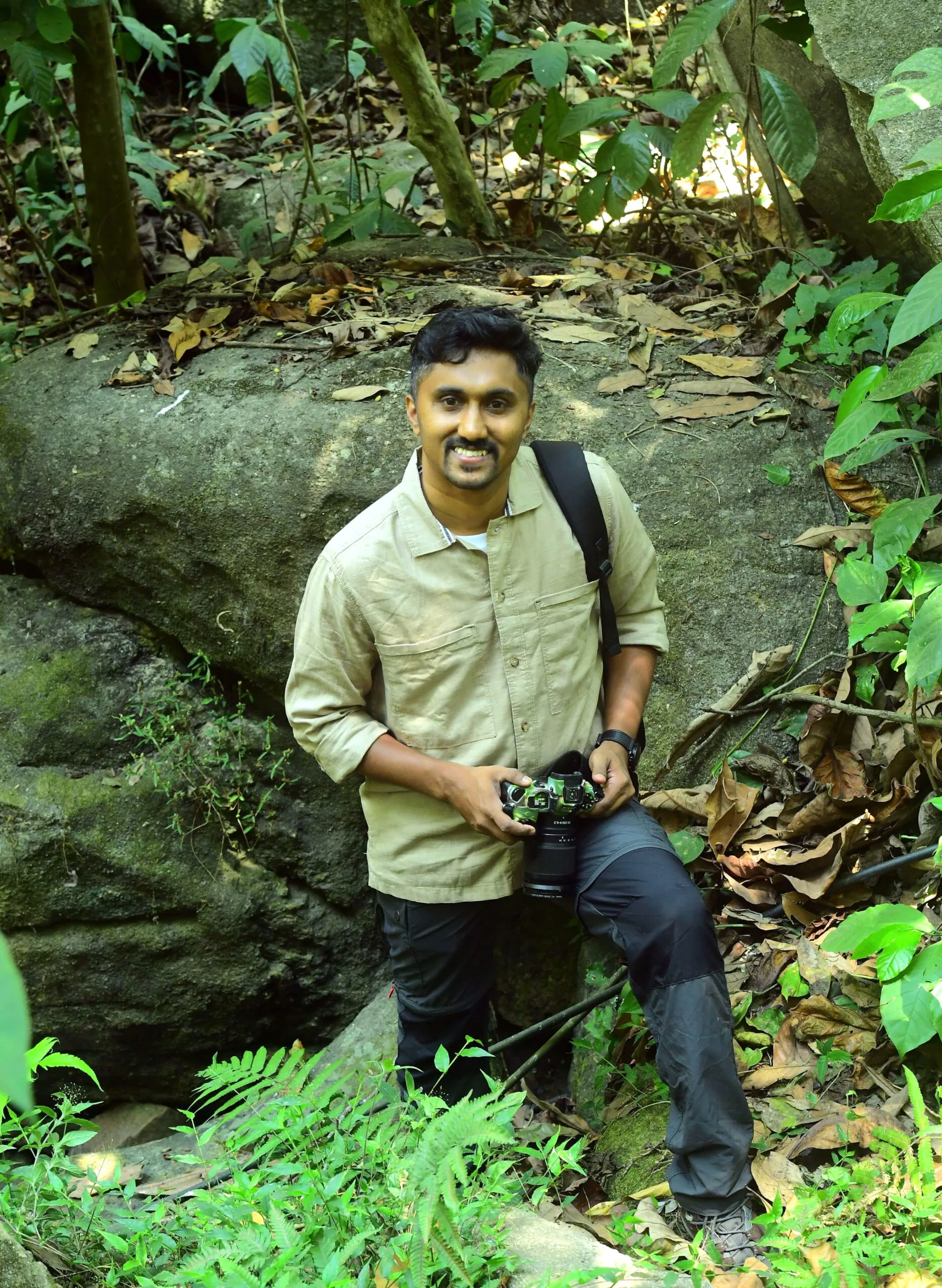
The Global Center for Species Survival now offers a new resource to conservationists around the world. Dr. Dhaneesh Bhaskar joined the Global Center as the invertebrate conservation coordinator in early May. He brings a vast knowledge of invertebrates and conservation strategies.
Bhaskar’s passion for conservation and invertebrates stems from his upbringing near the Western Ghats mountain range in Kerala, India. The Western Ghats are a biodiversity hotspot home to several protected areas and national parks. He enjoyed participating in nature clubs and visiting local forests to learn more about the species that inhabit them.
During his education, Bhaskar focused on topics including ecology research in large mammals, the impacts of roadways passing through protected areas and grassland habitat management. He was then introduced to research projects involving grasshoppers, and he developed a strong passion for the species.
Before joining the Indianapolis Zoo, Bhaskar was the regional vice-chair for Asia in the IUCN SSC Grasshopper Specialist Group (GSG). He coordinated the group’s conservation research in India, Sri Lanka, Nepal and Pakistan.
“The Global Center for Species Survival at the Indianapolis Zoo is delighted to have Dhaneesh join the team. His invertebrate expertise and IUCN Species Specialist Group experience are complemented by his grounding in the Asian subcontinent – a region rich in biodiversity yet facing intense environmental pressures. That combination of insight adds strength to how we approach global conservation challenges,” said Nico de Bruyn, Ph.D., vice president for Conservation and Education and director of the Global Center for Species Survival at the Indianapolis Zoo.
Bhaskar has already made an impact on his field. He has discovered six new species of grasshoppers and two new genera. In 2020, a new twighopper (pygmy grasshopper) species was named after him by the European researchers who discovered it. It was named Cladonotus Bhaskari and was the first new twighopper species discovered in the last 116 years.
In his new role, Bhaskar will work to expand public engagement in invertebrate conservation as well as build partnerships with training and capacity-building programs. He will also support the IUCN SSC Invertebrate Specialist Groups in advancing global species conservation with a strong emphasis on planning and implementation.
Bhaskar can be contacted by completing the Contact Us form on the Global Center for Species Survival website.
Field Grant Spotlight
The Indianapolis Zoo continues its commitment to protecting African penguins, which remain Endangered according to the Red List of Threatened Species. Populations in South Africa remain a significant concern, where penguins are threatened by predators, food shortages due to competition from fisheries, climate change and more.
With help from a 2025 field grant from the Indianapolis Zoo, the IUCN Species Survival Commission Penguin Specialist Group continues to make headway in the protection of the African penguin population by creating avenues for long-term recovery and ongoing biological study.
“Their objectives were to improve penguin breeding success through the provision of suitable breeding habitat, promoting population recovery for the species,” explained Justin Birkhoff, vertebrate conservation coordinator at the Global Center.
Some of the world’s leading penguin scientists and conservationists make up the Penguin Specialist Group. The group, started in 2009, is led by 2023 Indianapolis Prize Winner Dr. Pablo Borboroglu and Dr. Lauren Waller. The group partners with other global organizations, such as Cape Nature and the Southern African Foundation for the Conservation of Coastal Birds (SANCCOB), to implement grant funding to enact meaningful change to protect penguins.
Cape Nature
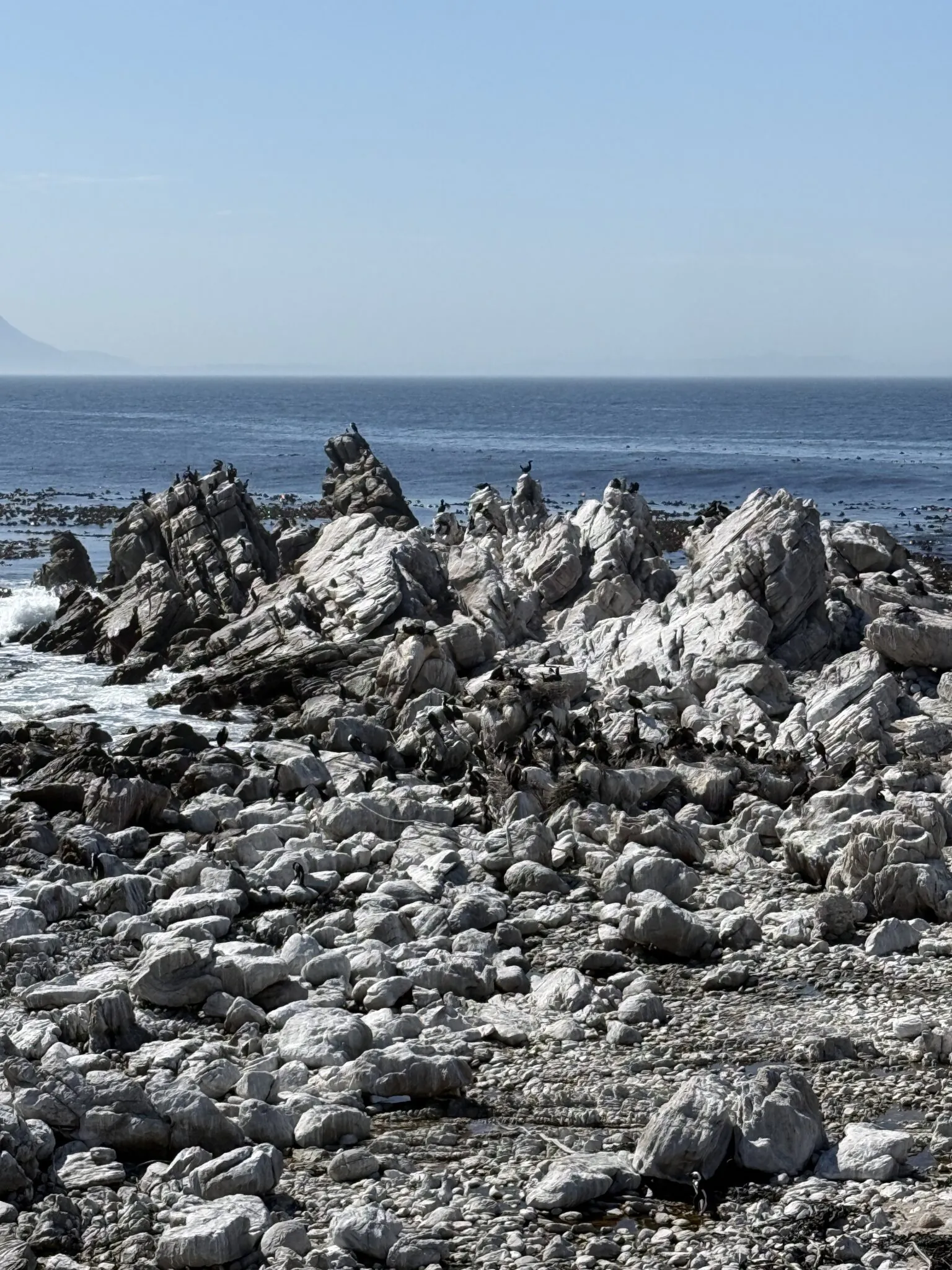
Cape Nature is a non-profit that manages Stony Point, a breeding site for penguins, by completing rescue, rehab and reintroduction operations.
Cape Nature uses funds to support the infrastructure of the site, like reducing erosion and building and maintaining predator-proof fences. Caracals, small African wildcats, domestic dogs and domestic cats have been known to attack penguins at these nest sites.
“One of the current primary threats that African penguins face is predation. Because their population size is so low, the impact of predation is that much greater,” Waller said. “The predation losses at Stony Point are significant and given that the African penguin is Critically Endangered with a population still declining, these losses cannot be afforded. The money from this project has funded the initial phase of a predator proof fence at this colony.”
Cape Nature also works to identify the penguins and monitor the daily status of each individual. Cape Nature attached electronic tags to the penguins that connect to a scale placed near the shoreline. When the penguins come and go from the shoreline, they step on the scale, and the tag records how much the penguin weighs. This allows the team to monitor if the penguin found food that day, how much food the penguin ate, how much time was spent at sea to get that food, etc. That data helps determine if additional efforts are needed to protect penguin feed areas.
“My hope is that through this project and partnership, that the number of penguins lost to predation at Stony Point will be substantially reduced, contributing to the overall stability and eventual population recovery of the African penguin population at this site,” said Waller.
SANCCOB
SANCCOB partners closely with Cape Nature, providing education opportunities to the local community and employing rangers for the nesting site. Rangers at Cape Nature act like park rangers in the United States. A big part of their job is working onsite and educating the public about how they can protect penguins.
Rangers also monitor the colony. If a penguin is found deceased, the team collects the animal and determines what caused its death. They also intervene if the situation permits. Birkhoff visited Cape Nature and visited the SANCCOB ranger station when they found several penguin nests abandoned but still with viable eggs. The rangers took the eggs and placed them in an incubator.
“They currently have 200 chicks that they have hatched from eggs that have been abandoned,” Birkhoff explained. “That’s 200 animals that now have a lease on life that wouldn’t have without this intervention.”
The multi-year commitment from the Global Center for Species Survival at the Indianapolis Zoo funds ongoing projects to reverse the Red List status and create a sustainable future for penguins.
“With current population trends, the African penguin is predicted to be Extinct in the Wild in less than 10 years. Their population decline is because of human actions, and now it is only human actions that can prevent this extinction,” Waller said. “They need all the support they can get to prevent this from happening. History has shown that this species has been able to bounce back, and quickly, once conditions are favorable.”
2027 Prize Chairs Named for the Indianapolis Prize
Two leaders with a rich history in philanthropy and conservation were named co-chairs of the prestigious Indianapolis Prize, the world’s leading award for animal conservation.
Now entering its third decade of impact, the Prize was established by the Indianapolis Zoo to support global leaders in animal conservation and provide a springboard for the next generation of advocates through the Emerging Conservationist Award.
Jeffrey A. Harrison, president & CEO of Citizens Energy Group, and Suzanne (Suzie) Fehsenfeld, founding member of the Indianapolis Zoo and former board member of the Nature Conservancy, will lead the Prize at an exciting time. They will expand the horizon of the Prize to reach an even wider audience and share with the world the importance of conservation.
The list of previous Winners and DeHaan Finalists from the past 20 years represent the very best of animal conservation and serve as strong ambassadors for species protection from all parts of the globe. Future Prize Winners and DeHaan Finalists will become part of a growing roster of worldwide advocates for conservation.
“The Indianapolis Prize and the Indianapolis Zoo are honored to have Jeffrey Harrison and Suzie Fehsenfeld lead us in this significant role. Both are wonderful stewards for the city of Indianapolis, the Zoo and its core mission to protect nature and inspire people to care for our world,” said Jake Oakman, senior vice president for Zoo External Relations.
As president & CEO for Citizens, Harrison leads the strategic direction of the organization. He has spent more than 30 years in the utility industry. Harrison also serves on several Indianapolis boards and committees, including the Central Indiana Corporate Partnership, Indiana Chamber of Commerce, Indianapolis Public Safety Foundation, the United Way of Central Indiana and the YMCA of Greater Indianapolis.
Fehsenfeld is an educator, philanthropist and conservationist with a long history of supporting the Indianapolis Zoo. In addition to being a founding member of the Zoo, she serves on the executive committee for the Orchard School Board of Directors and its Endowment. She is a distinguished advisor for the Indianapolis Children’s Museum. She is a cofounder of the Mara Elephant Project, a nonprofit conservation organization in Kenya.
Both began their terms immediately to prepare for the next Winner of the Indianapolis Prize, to be announced in 2027. They take the helm of the Prize after 20 years of leadership and support from Myrta Pulliam. Anne Nobles also served as co-chair for the past four years alongside Harrison, providing continuity as the Prize builds toward the future of animal conservation advocacy.
In 2025, the Indianapolis Prize honored Dr. Lily-Arison René de Roland, renowned scientist and biodiversity conservationist from Madagascar who discovered several new species and established five national protected areas in his homeland. Mwezi “Badru” Mugerwa was named the 2025 Emerging Conservationist for his innovative work to protect the African golden cat in his homeland of Uganda and beyond. Mugerwa is the founder and director of Embaka, a grassroots, community-based conservation organization dedicated to protecting this elusive cat.
The Indianapolis Zoo awards the Indianapolis Prize every other year and celebrates the honorees at a signature event in Indianapolis. The Prize Winner receives a $300,000 award, and the DeHaan Finalists and Emerging Conservationist each receive $50,000. To date, the Indianapolis Zoo has awarded more than $8 million to conservationists.
The Prize builds on the belief that zoos hold a unique responsibility to help people connect to nature and understand what is at stake for wildlife.
The Indianapolis Prize wishes Julie Packard the absolute best in her retirement after 40 years at the helm of the Monterey Bay Aquarium. Although retiring from the day-to-day operations at the aquarium her parents founded in 1984, Packard vows to continue her storied history of positive change and impact as one of the world’s leading ocean conservationists.
Honored by the Indianapolis Prize in 2025 as a DeHaan Finalist, Packard led the charge for the sustainable seafood movement by building a global seafood program (Seafood Watch) grounded in ecosystem-based science and a market-based approach. She is a leading voice for science-based policy reform in support of a healthy ocean.
In this brief video , Packard discusses her legacy and her eternal optimism for the future of conservation, despite forces working against the science she so steadfastly supports.
The Indianapolis Zoo is deeply saddened by the March 2026 passing of Biruté Mary Galdikas, a pioneering primate conservationist and Indianapolis Prize DeHaan Finalist.
Dr. Galdikas devoted her life to studying and protecting orangutans, transforming the world’s understanding of these remarkable apes and inspiring global efforts to safeguard their future.
The Zoo is profoundly grateful for her extraordinary contributions, and her inspiring legacy will continue to guide everyone who works to protect nature and inspire people to care for our world.
Global Center Staff Adds Planning Certification
The Global Center for Species Survival serves as the conservation engine for the Indianapolis Zoo. Through a partnership with the International Union for Conservation of Nature’s Species Survival Commission (IUCN SSC), the team supports thousands of conservationists working to resolve critical planetary issues leading to biodiversity loss. The Global Center team constantly adds skills to its toolkit that can be leveraged to make a larger impact around the world.
The Global Center coordinators are completing or have completed a certification from the IUCN SSC Conservation Planning Specialist Group (CPSG) to facilitate species conservation planning workshops. This means the coordinators can effectively design and facilitate conservation planning processes to help the recovery of a species and conservation processes.
The course teaches participants how to bring order to the chaos of gathering a group of people into a room, each with his/her own ideas and motivations on how to save a species from extinction, according to Justin Birkhoff, vertebrate conservation coordinator at the Global Center.
“The idea is how do we start to facilitate groups of people having discussions about what is realistically implementable for an action plan for conservation,” Birkhoff said. He added that many ideas get thrown around in workshops, and the certification allows Global Center coordinators to take that information and guide the group toward a solution that is realistic and actionable.
The Global Center team registered for the course through an IMLS grant implemented by CPSG and the Association of Zoos and Aquariums. Birkhoff also signed up for a mentorship to continue honing his expertise with workshop facilitation. He is assisting the AZA’s SAFE (Saving Animals from Extinction) group. The Vaquita porpoise is Critically Endangered, with an official population estimate of 12.
“Fortunately, it’s been 12 animals for three years because it was dropping precipitously for a long time. So, stable is actually a vast improvement,” Birkhoff explained. Now the group is trying to expand what they know has worked for Vaquitas to a larger group of small cetaceans.
“What they’re trying to do is look at doing other small cetaceans that face similar sorts of threats that have similar types of solutions,” Birkhoff said. “We’re building a framework that helps guide other communities of practice to tap into it and utilize that resource themselves.”
Birkhoff recently returned from South Africa as part of the mentorship program. Two members of the CPSG invited him to assist in building a long-term action plan for the Indian Ocean humpback dolphin (Sousa plumbea) and complete a population viability analysis.
“The purpose of my going there was to be part of a workshop that was CPSG-designed and led, and then to participate as a facilitator in that process and get feedback and direction from other facilitators. Coincidentally enough, the Indian humpback dolphin is a small cetacean, which is what SAFE Vaquita is trying to help with the new framework it is creating. It had the added benefit of connecting me to a community of people who are beneficial for the project I’m focused on,” he said.
Dr. Els Vermeulen, chief scientist and manager at the Mammal Research Institute and associate professor at the University of Pretoria, South Africa, organized the workshop. She said having skilled facilitators makes a difference in the outcome of workshops.
“It allows for a neutral party to guide the discussions and provide thinking tools to ensure the best possible brainstorming. At the same time, it is invaluable to guide discussions when there is no agreement in a calm and neutral way. (The workshops) are also critical in providing advice on the process itself and what the end goal is, so we get a clearer understanding of the process.
“I did engage a lot with Justin during the workshop. He has proven to be an invaluable asset and heavily engaged in the topic while eager to learn about the scientific work, the conservation needs and exploring opinions and ideas of everyone in the room,” Vermeulen added.
Birkhoff will complete the mentorship in January. “The most tangible value we’re taking away is that we understand what it’s actually going to take, including having a good idea of constraints or time requirements, in order to come out at the end with a plan,” Birkhoff said.
If you would like to request assistance from a Global Center coordinator with creating an action plan or for assistance with the conservation of your species via knowledge, grants, etc., complete the Contact Us form on the Global Center for Species Survival website.
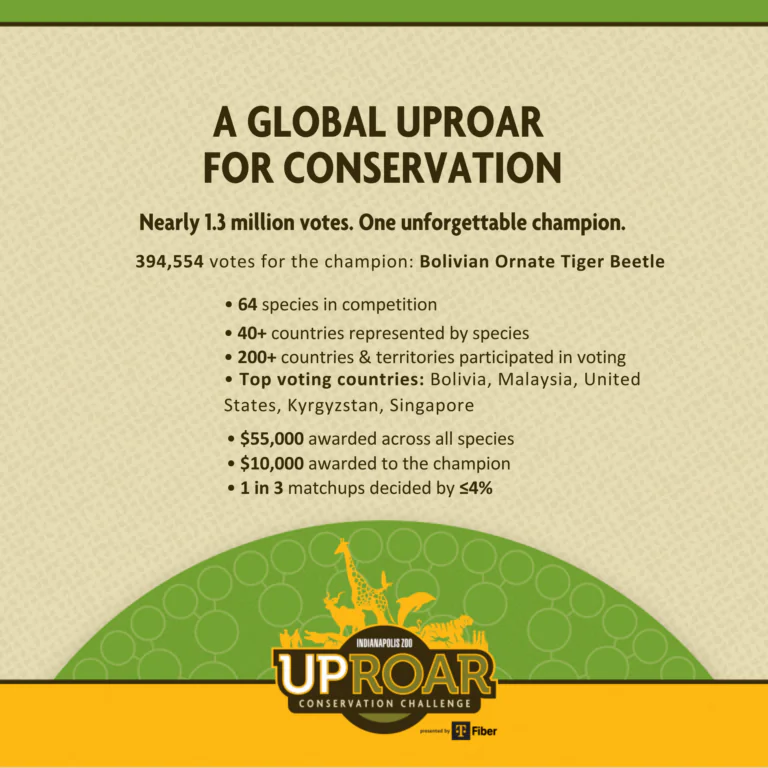
The Indianapolis Zoo transformed a global sporting moment into a measurable conservation impact through the Uproar Conservation Challenge presented by T-Fiber. By earning nearly 1.3 million votes from more than 200 countries and territories, the Zoo connected public participation to real funding for threatened and endangered species. Rooted in Indianapolis but reaching the world, Uproar exemplified innovation, community engagement and mission-driven results. The initiative made global conservation real, accessible and fun.
When the NCAA Men’s Final Four basketball tournament came to Indianapolis, the Zoo saw an opportunity to channel that energy into something meaningful. Uproar was designed as a three-week, head-to-head voting experience featuring 64 threatened and endangered species—from animals to plants to fungi—each backed by real conservation funding provided by the Indianapolis Zoo and directed through partnerships with the Zoo’s Global Center for Species Survival and the International Union for Conservation of Nature (IUCN), the world’s leading conservation and advocacy organization.
The response was immediate and global. More than 106,000 votes were cast in the first 24 hours. But what made Uproar powerful were the human stories behind the numbers.
In Bolivia, the campaign galvanized national pride around the Bolivian Ornate Tiger Beetle, a species that had become a symbol of national identity and environmental stewardship. Their efforts earned extensive media coverage and furthered ongoing conservation initiatives, creating a groundswell that ultimately secured the species’ victory and the $10,000 Champion prize to support conservation efforts.