Wild Matters
A Conservation Publication of the Indianapolis Zoo
 The Indianapolis Zoo holds a distinctive role in the global conservation community. Through the Global Center for Species Survival, the Zoo works directly within the IUCN Species Survival Commission, supporting more than 180 Specialist Groups across a wide range of taxa and regions. This unique position allows us to link scientific insight with coordinated implementation and to contribute meaningfully to global species recovery efforts. It is an important and honorable initiative that aligns with our primary mission to protect nature and inspire people to care for our world.
As I join the Zoo as vice president of Conservation and Education and director of the Global Center, I bring a background shaped by many years of field science, long-term ecological research and academic training. I spent more than a decade as a professor of zoology and led long-running marine mammal research programs in the sub‑Antarctic. Those experiences, working in remote ecosystems, training emerging scientists and coordinating diverse research teams, continue to guide my approach to conservation today: evidence‑driven, collaborative and grounded in practical realities. The goal is to add this perspective and experience to enhance the worldwide impact for conservation of both the Global Center and the Zoo.
Looking ahead, our focus is on strengthening the connection between science and action. We will expand our support for Red List and Green Status assessments, deepen strategic planning efforts and help accelerate conservation interventions where they are most needed. A key priority is strengthening National Species Specialist Groups in high‑biodiversity regions, ensuring that country‑level conservation efforts are well supported, technically sound and positioned for durable impact.
We will continue refining our conservation grant programs to support initiatives with clear ecological justification and measurable outcomes. Testing innovative tools and approaches to solutions for pressing conservation issues is a priority. Finally, we aim to make the science behind this work more accessible.
Connecting visitors and communities to real conservation progress is essential, and we are committed to strengthening that bridge.
Indianapolis Zoo distributes Global Conservation Awards
The Indianapolis Zoo continues to make an impact on global conservation by awarding $697,000 in grants to support 26 projects across the world in 2025. Of these funds, $290,000 was awarded specifically for brand-new initiatives.
“Many species and their habitats around the world are under threat, but fortunately, there are remarkable conservationists dedicated to working to reduce these threats,” said Nico de Bruyn, Ph.D., vice president for Conservation and Education and director of the Zoo’s Global Center for Species Survival.
Of the 26 programs funded, 16 projects were supported by Field Conservation Grants, and 10 projects were categorized as Wild Futures grants. Wild Futures grants are one-time awards of up to $5,000 that aim to support students and early career professionals with projects that further conservation.
The Global Center supports more than 10,000 conservationists across 180 groups within the International Union for Conservation of Nature (IUCN) Species Survival Commission. Global Center coordinators work closely on conservation initiatives and policy directives to facilitate conservation planning. The Indianapolis Zoo is home to one of 32 centers for species survival groups worldwide.
Since 2022, the Indianapolis Zoo has provided more than $1.6 million in field conservation grants. The Zoo also established the Indianapolis Prize, the world’s leading animal conservation award, which has distributed nearly $8 million in unrestricted cash awards to recipients since 2004.
“The Zoo is proud to be in a position to assist these individuals and organizations to work toward impactful conservation interventions for safeguarding various species, from stream frogs to freshwater mussels to desert plants to great apes, and their habitats around the world,” de Bruyn added.
Each award recipient had to show how their project would show a measurable impact based on science and research and how logical change can happen in areas where conflicts exist between people and wildlife.
Many of the awards support projects that pair conservation efforts with local communities, ensuring mutual benefits through close collaboration and consideration of community livelihoods and economic impacts.
These funds also support projects closer to home, such as the Indiana Native Plant Society, the Muncie Sanitary District and Indiana University-Purdue University Columbus, which continues to monitor Indiana’s most threatened mayfly species. The Indiana Native Plant Society conducts proactive monitoring to protect biodiversity in Indiana, while the Bureau of Water Quality in Muncie supports three mussel propagation facilities to protect mussel communities and improve water quality.
Full details on the projects supported by grants from the Indianapolis Zoo can be found on the Field Support and Wild Future webpages.
Field Grant Spotlight: Alaska SeaLife Center
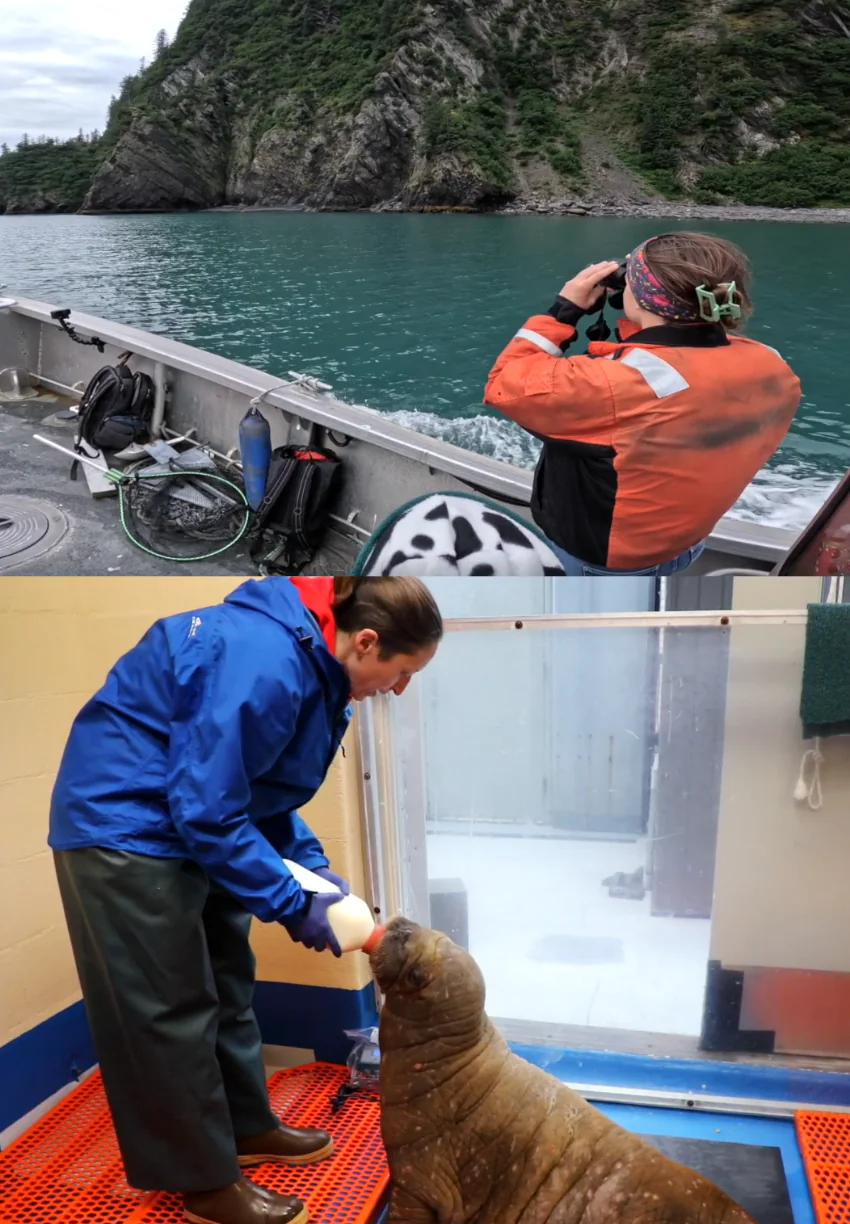
The Alaska SeaLife Center (ASLC) is the state’s only marine research, education and wildlife response facility. It has spent decades studying the health of Alaska’s oceans and caring for marine species impacted by climate change and human activity.
The Indianapolis Zoo now serves as a partner in those efforts through a project that will further extend the Zoo’s global conservation initiatives.
The project is called the Alaska Community-Centered Conservation Initiative (AC3). It is a long-term effort to build partnerships between scientists and Alaskan Native and local communities. According to the ASLC, the initiative invests in long-term, trust-based partnerships with Indigenous and local communities and ensures their knowledge, values and leadership are embedded in conservation planning and decision-making. By intentionally integrating Indigenous knowledge systems with Western science, this initiative ensures that group’s conservation efforts are more effective, equitable and grounded in the realities of Alaska’s coastal ecosystems and communities.
“Indigenous communities have stewarded these lands and waters for generations. Their leadership is essential,” according to Coralie Palmer, marine conservation coordinator at the Global Center for Species Survival at the Indianapolis Zoo. “This initiative helps to ensure their leadership and knowledge guide conservation moving forward.”
Wei Ying Wong, Ph.D., president and CEO of ASLC added: “This grant helps us move closer to making our vision a reality – putting communities and Indigenous knowledge at the heart of conservation, building lasting partnerships and supporting a future where Alaska’s oceans and the people who depend on them can thrive.”
AC3 represents a long-term commitment to implement conservation initiatives differently, starting with relationships and building toward shared outcomes that benefit both people and the ocean. This foundation allows conservation efforts to truly serve both people and marine ecosystems, now and into the future.
“This program represents the future of conservation through transformative change and a shift toward more equitable conservation,” Palmer added. “The hope is this program builds deeper trust, elevates Indigenous leadership and local partnership and helps create conservation practices that are culturally grounded and sustainable.”
The Global Center for Species Survival is the conservation engine of the Indianapolis Zoo. As one of 32 Centers worldwide affiliated with the IUCN Species Survival Commission network, it leverages more than 11,000 conservationists and experts to support, connect and communicate initiatives that protect wildlife and biodiversity.
Indianapolis Zoo Reflects on the Passing of Dr. Iain Doulgas-Hamilton
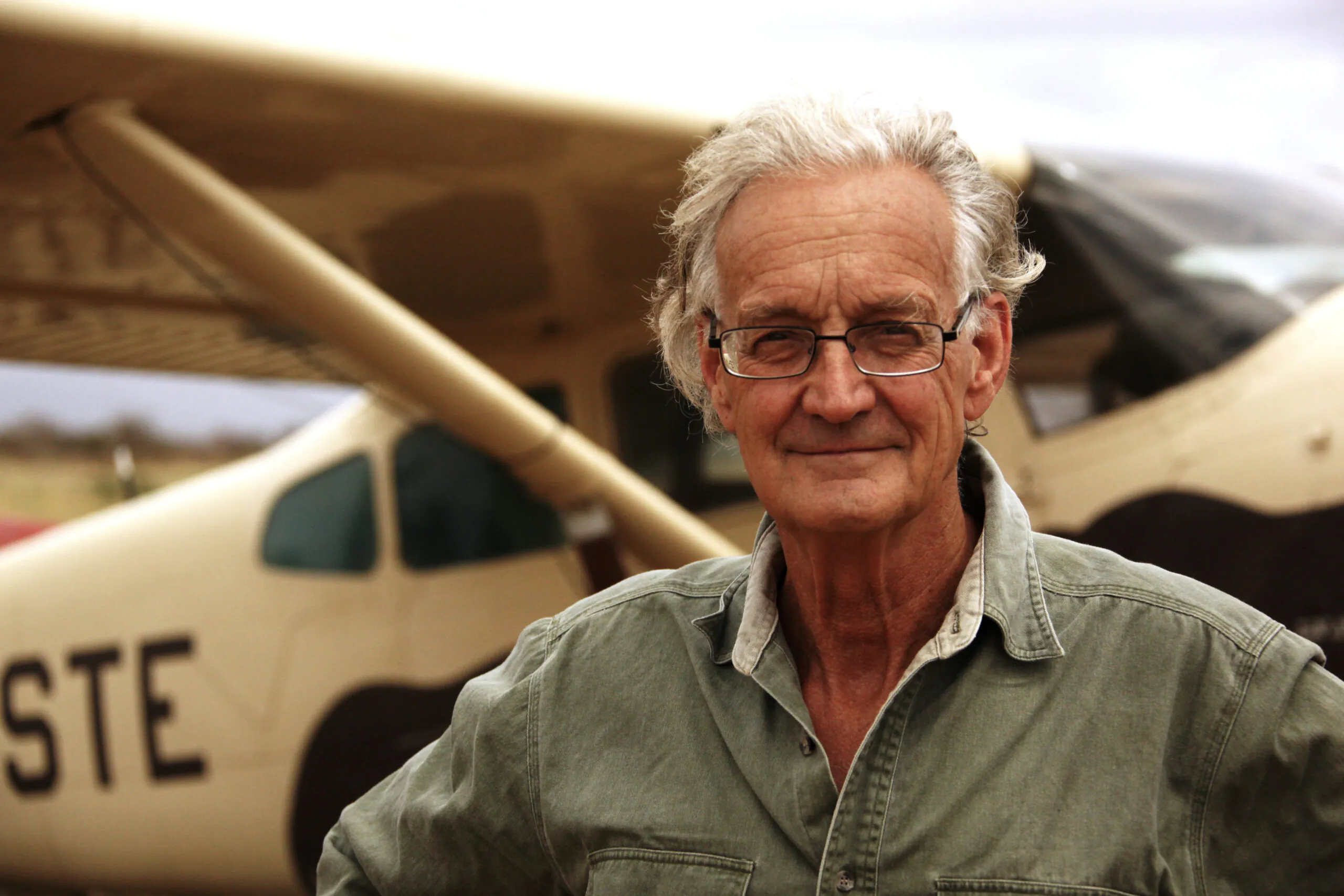
The Indianapolis Zoo and the global conservation community are mourning the December 2025 passing of Dr. Iain Douglas-Hamilton, winner of the 2010 Indianapolis Prize—the world’s leading award for animal conservation.
Dr. Douglas-Hamilton’s pioneering fieldwork revolutionized the world’s understanding of African elephants. Throughout his career, and as the founder of Save the Elephants, he was a leading global voice for African elephant conservation.
His lifelong passion and professional path began at age 23, when he pioneered the first in-depth scientific study of elephant social behavior in Tanzania’s Lake Manyara National Park. His work in the 1970s and 1980s was instrumental in efforts to ban the international ivory trade and protect elephants from poaching.
Through advocacy work in the 2010s, Douglas-Hamilton’s non-governmental organization, Save the Elephants, worked to reduce the demand for ivory products and helped to bring about the end of the domestic ivory trade in China in 2018.
Who will carry the torch?
Indianapolis Prize Nominations Due Feb. 27, 2026
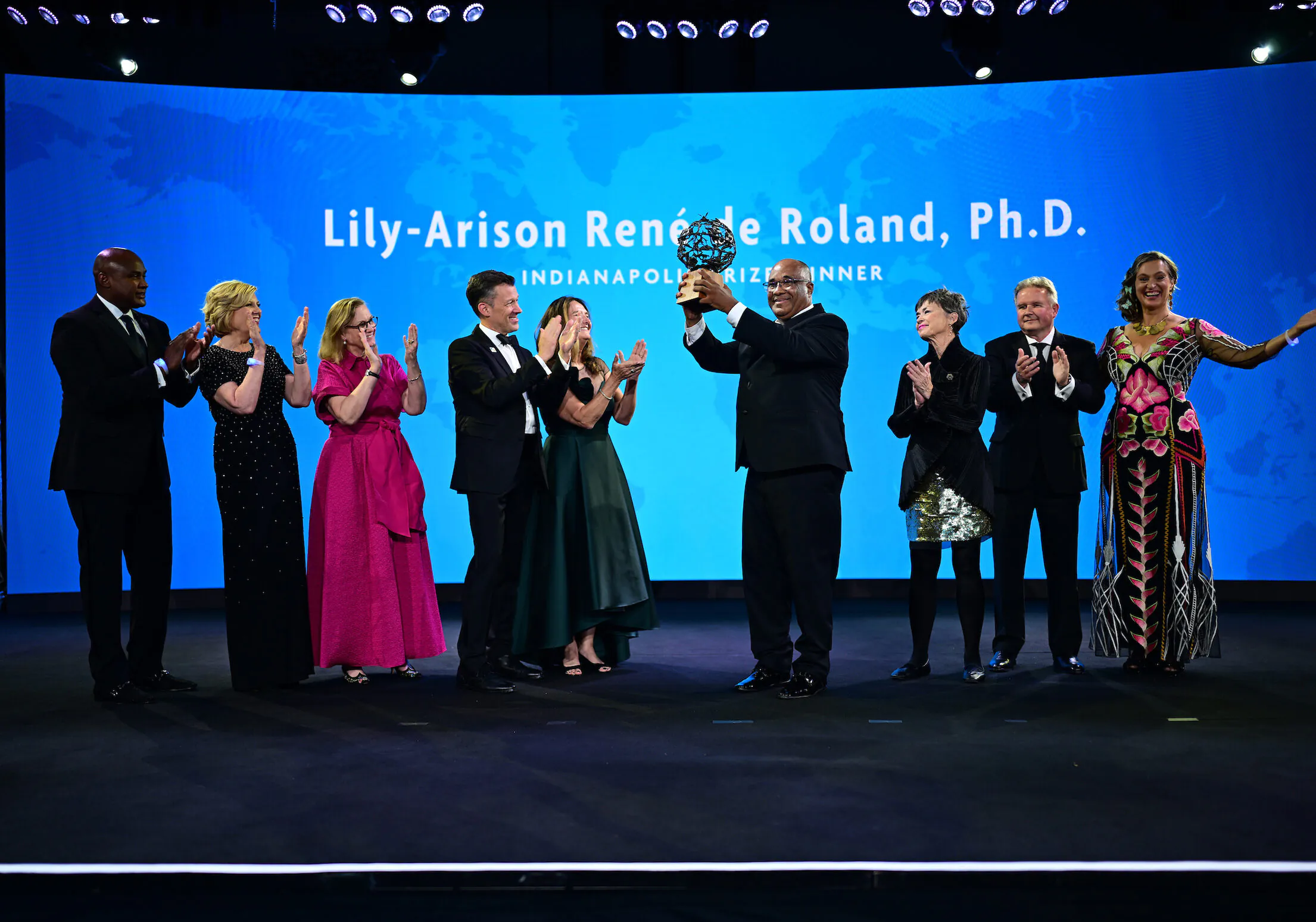
The Indianapolis Prize recognizes and rewards conservationists who have achieved major victories in advancing the sustainability of an animal species or group of species. The Prize Winner receives $300,000.
On the heels of an extraordinary and inspiring celebration gala in September 2025, the Indianapolis Prize seeks submissions for its 2027 award cycle. Entries must be received by Feb. 27, 2026.
Established by the Indianapolis Zoo, the Prize brings global visibility, credible recognition and meaningful financial support to conservation leaders whose efforts deliver measurable results. To request a Prize Nomination Form or an Emerging Conservationist Application, email [email protected] or visit www.indianapolisprize.org.

Saving Species Challenge
The Indianapolis Zoo Saving Species Challenge awarded $1million in 2023 to a single organization tasked with developing and executing a plan that will have a measurable and sustainable impact on the survival of an animal species.
The Zoo’s goal was to target a conservation project with the best chance of success toward improving the threatened status of a single species.
Just one year after being named the inaugural winner of the Saving Species Challenge, Ecuadorian conservation group Fundación Jocotoco reports significant milestones have been achieved in the mission to save the Critically Endangered Blue-throated Hillstar hummingbird.
“Fundación Jocotoco is turning urgency into lasting protection for the Blue-throated Hillstar by expanding the Cerro de Arcos while restoring habitat across its range. With an artificial nest program to increase breeding success and sustained work with local communities to secure long-term stewardship, we’re strengthening the conditions this species needs to recover,” said Coordinator of Conservation and Research Projects José León. “Over the coming years, I’m hopeful that the combined impact of these actions will pull the Blue-throated Hillstar from the brink of extinction and guarantee its survival.”
The Blue-throated Hillstar is listed as Critically Endangered on the IUCN Red List due to habitat loss from mining and frequent burning. It is found in a cold, high-elevation area of the isolate Chillan Mountain range in Southwest Ecuador. In 2021, fewer than 110 adult birds remained in the wild according to estimates.
The organization already is seeing the benefits of using the Saving Species grant to build partnerships with local communities. Thanks to the fire management training workshops, trained volunteers were able to control fires near the Ridgely Reserve until the firefighters arrived, preventing the fires from reaching the protected area. Without the training provided, the damage would have been much greater according to the organization.
Fundación Jocotoco also implemented a monitoring protocol using bird point counts and habitat characterization across 55 sites. The area sampled was almost one-fifth of the bird’s total distribution producing an estimated population of between 120 and 280 individuals, also providing an updated baseline for tracking future population increases.
“It’s inspiring to see Fundación Jocotoco advancing the recovery plan for the Blue-throated Hillstar. Their community-driven efforts to protect, secure and restore critical habitat and create nesting opportunities for this critically endangered species give me great hope that this species can be brought back from the brink of extinction,” said Indianapolis Zoo National Species Conservation Coordinator Samual Ivande.
Ivande is one of several coordinators connected to the Global Center for Species Survival, the conservation engine of the Indianapolis Zoo. As one of 32 organizations worldwide affiliated with the IUCN Species Survival Commission network, it leverages more than 11,000 conservationists and experts to support, connect and communicate initiatives that protect wildlife and biodiversity.
“Through these community-engaged actions to protect, restore and increase the amount of suitable habitat and nesting sites for the Blue-throated Hillstar, Fundación Jocotoco’s actions over the first year of this grant lays a crucial foundation for the recovery of the Blue-throated Hillstar,” said Ivande. “The Indianapolis Zoo remains proud to partner and support these recovery efforts through the Saving Species Challenge to bring this critically endangered species back from the brink of extinction.”
In the first year of the Saving Species project, Fundacion Jocotoco has:
- Made progress in the effort to purchase 200 hectares of critical habitat for the Hillstar, which would bring that land under the protection of Fundación Jocotoco and its rangers.
- The organization did add 297 hectares of cloud forest to protect other species, such as the Andean bear and (possibly) the Red-faced Parrot. The land serves as a buffer zone for the Blue-throated Hillstar habitat.
- Planted 61,920 native shrubs across 221 hectares, creating “islands” of suitable habitat.
- Established a tree nursery to support ongoing reforestation.
- Placed eight artificial nests in locations that had previous records of Hillstar hummingbirds but no longer have reproductive habitat availability.
- The hummingbirds will be more likely to return to these locations with the opportunity to nest.
- Hosted meetings with local communities to educate them on conservation activities, including fire management training workshops to educate volunteers on how to control fires until firefighters could get to their location.
The Uproar Conservation Challenge
An Indianapolis Zoo Conservation Initiative
Nearly 50,000 species face extinction due to climate change, habitat loss and overexploitation.
The threat is real. The timeline is urgent. But together, we can act.
The Uproar Conservation Challenge is a new initiative from the Indianapolis Zoo designed to spark curiosity, education and action for the planet’s most vulnerable species. In partnership with conservationists around the world, the Zoo has identified 64 at-risk animals, plants, and fungi — many lesser-known, yet critically important to the health of their ecosystems and the planet.
Beginning March 16, the public is invited to vote in an online bracket-style challenge, helping species advance round by round toward a champion. In total, the Zoo will grant more than $50,000 in conservation funding through this initiative — supporting the efforts behind all 64 species represented. No species leaves empty-handed. One species will rise above the rest and be crowned the Uproar champion, receiving a $10,000 grand prize dedicated to its protection and survival.
The challenge will culminate on Saturday, April 4, at an event on Indianapolis Zoo Colts Plaza with music, games and a live announcement as the final votes are counted and the champion is revealed.
Follow Indianapolis Zoo on Facebook and Instagram or bookmark www.uproarchallenge.com to be ready when voting begins in March.