ZooBoo festivities begin at 2pm, Wednesdays-Sundays, through November 1.

-
Menu
- Plan Your Visit
- Meet The Animals
- Check Out Events
- Memberships
- About The Zoo
- Support the Zoo
- Conservation
- Education
- Groups & Private Events
- Zoo Blog
- Contact
- Zoo Store
- Indianapolis Prize
- Global Center for Species Survival
- Schedule
- Donate
- Membership
- Tickets

- Plan Your Visit
- Meet The Animals
- Check Out Events
- Memberships
- About The Zoo
- Support the Zoo
- Conservation
- Education
- Groups & Private Events
- Zoo Blog
- Contact
- Zoo Store
- Indianapolis Prize
- Global Center for Species Survival
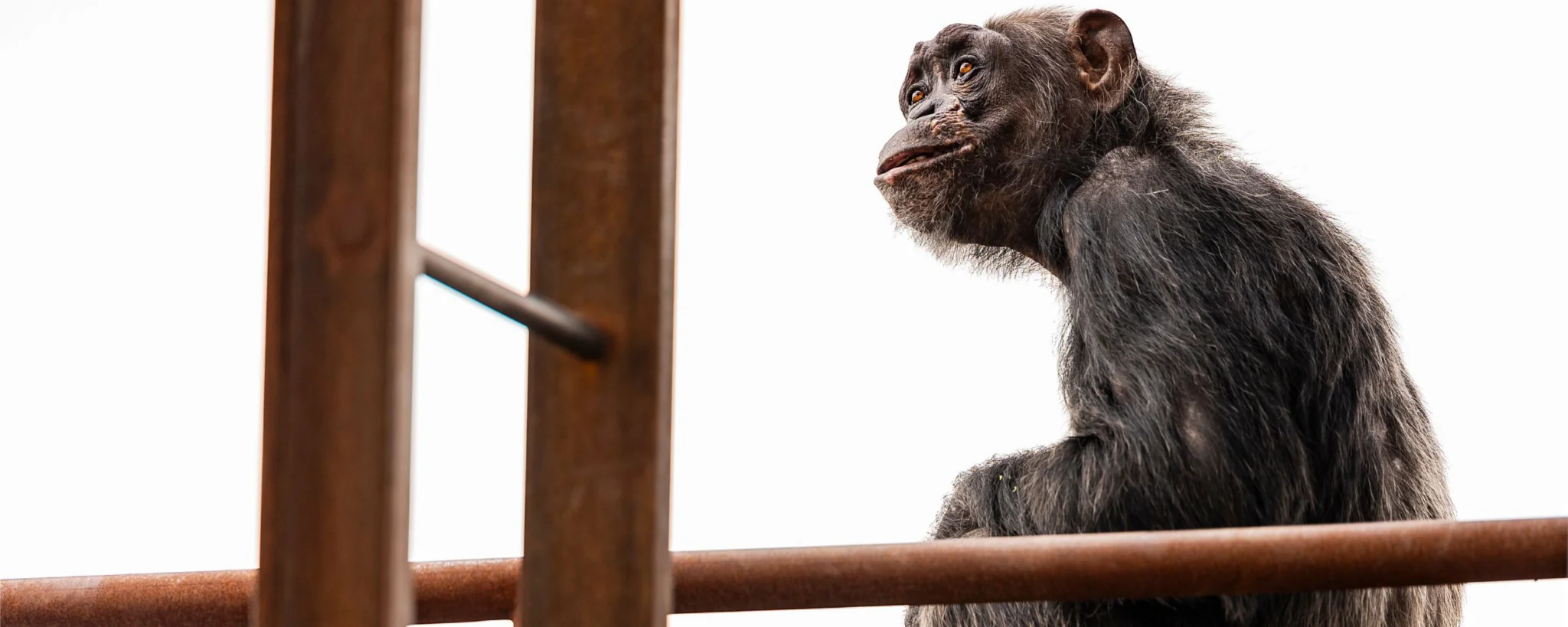
Mara the Chimp Comes to Indy
A Zoo Fit For Mara the Chimp
A substandard Puerto Rican ‘sanctuary’ led the U.S. government to intervene.

By Robert Shumaker
May 8, 2023 6:24 pm ET
The Justice Department in February dispatched inspectors to a beleaguered zoo in Puerto Rico. What they found was deplorable. Days later, Puerto Rican officials announced that the Dr. Juan A. Rivera Zoo would close, and a plan to find humane care for more than 300 animals began.
The shuttering of the Puerto Rican zoo is part of a troubling trend. Too many unaccredited or uncertified “zoos” and “sanctuaries” exist, and many are deficient.
Accreditation matters, and in the U.S. the most stringent standards are set by the Association of Zoos and Aquariums. As of 2019, AZA-accredited facilities in the U.S. and abroad collectively draw more than 180 million visitors annually, generate more than $20 billion in U.S. economic activity, and support more than 212,000 jobs. AZA standards include a commitment to exceptional animal welfare and consistent support for the conservation of animals in the wild.
Before the Puerto Rican zoo was closed, the situation for its animals was dire. They were struggling to survive in a woefully underfunded facility that had been battered by hurricanes. The zoo had been without electricity since 2017, and many animals were dying.
The condition of a 31-year-old female chimpanzee named Mara was especially troubling. On top of poor conditions in the zoo, she was left alone as the only chimpanzee in Puerto Rico’s lone zoo after the death of Magnum, her longtime companion.
Prolonged isolation is bad for chimpanzees, who are highly social. Mara was lonely and depressed, and caretakers reported that she spent her time in a small, dank cell. A heart-rending video circulated online showing Mara extending her fingers through the bars of her cell, attempting and failing to grasp a small leaf. A “Free Mara” campaign was launched online.
When the Justice Department asked if the Indianapolis Zoological Society could provide Mara a loving home, we immediately agreed and rescued her. Today, Mara is receiving expert care from our devoted staff in Indianapolis.
As a primatologist, I’m confident Mara’s future is bright. But that’s largely because the Justice Department had an accredited, qualified zoo it could turn to—one experienced in rehabilitating and socializing chimpanzees and other great apes.
The Justice Department was right to enlist our help. But more must be done to address substandard facilities that call themselves “zoos” or “sanctuaries.” Out of about 2,800 animal exhibitors with licenses from the U.S. Department of Agriculture, less than 10% are AZA accredited.
Mara now has a wonderful home in Indianapolis. She’s making new friends and will integrate into a community of nearly 30 chimpanzees when she moves into our new International Chimpanzee Complex later this year.
I hope for the day that such rescues from substandard facilities are no longer necessary. Mara’s move to Indianapolis is a sure sign of progress.