


Representation Needed for Freshwater Fish
Experts urge better representation for migratory freshwater fish species on world’s stage
While field conservationists often focus on local action to save freshwater fish species such as sturgeons and paddlefishes, a new paper titled “The Untapped Potential of CMS for Migratory Freshwater Fishes” highlights that freshwater fish still are underrepresented in the Convention on the Conservation of Migratory Species of Wild Animals (CMS).
CMS is an environmental treaty of the United Nations that lays out the legal foundation for internationally coordinated conservation measures throughout a migratory range.
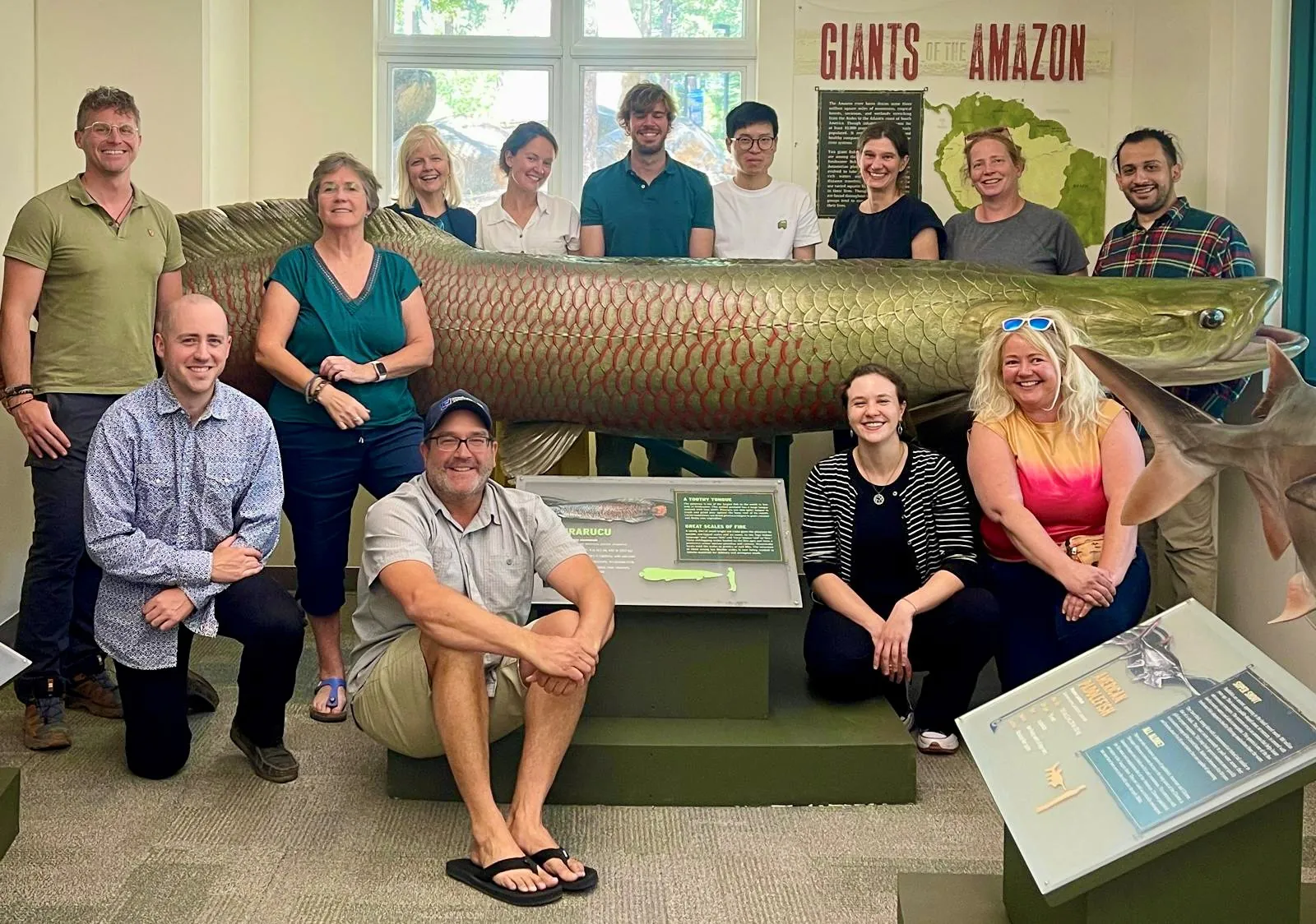
A freshwater fish species working group, which includes the Global Center for Species Survival’s Freshwater Conservation Coordinator Monika Böhm, recently published the paper in the journal Nature Reviews Biodiversity urging the increased use of the international environmental treaty to assist the conservation of migratory freshwater fish species.
Of the 23 transboundary migratory freshwater fish species currently listed in the CMS appendices, all but four are species of sturgeons and paddlefishes. At least 87 other migratory freshwater fish species are at risk of extinction (according to the International Union for Conservation of Nature (IUCN) Red List of Threatened Species) and would qualify for CMS listing; however, they have not yet been proposed for inclusion.
Why CMS matters for migratory species
Adding species to the CMS appendices helps to drive actions to conserve them. CMS can then apply mechanisms it has built to promote international cooperation, create targeted action plans and more.
“For species with transboundary migrations, what happens in one country also will impact the species in the other country. So, you have to work together to save these species,” Böhm explained.
Parties to the Convention can propose species for inclusion on two CMS appendices:
- Appendix I focuses on “migratory species that have been assessed as being in danger of extinction throughout all or a significant portion of their range.”
- Appendix II covers migratory species with an unfavorable conservation status that requires international agreements for their conservation and management, or a conservation status that would greatly benefit from the international cooperation through agreements.
What is next for the working group
To bolster the effort to add more species to the CMS appendices, the working group of experts is dedicated to providing conservation-relevant information on migratory species through different mechanisms, including the identification and mapping of important swimways for migratory freshwater fish species, which can then receive protections and positive actions just like flyways can for migratory birds.
In addition, the members are developing a comprehensive database of all migratory freshwater fish species, with accurate information on the species ecology and biology, like where do the fish swim, why do they migrate, what do they eat, what habitats do they specifically need and more. Doing so will help to build actionable conservation strategies for these species and identify areas for focused research.
With the conclusion of the IUCN Global Freshwater Fauna Assessment, which resulted in the assessment by the IUCN Red List of Threatened Species of more than 80% of the world’s freshwater fish species for their extinction risk, the working group now will supplement these Red List assessments with Green Status assessments of species recovery (including several species of high-profile freshwater migratory species).
This will help conservationists to not just act on the given threat status of a species, but also provide a framework that measures species recovery, recognizes conservation achievements, highlights a species’ dependence on conservation actions and forecasts expected conservation impact. The impact of these actions on the conservation of species has the potential to be enormous.
“It seems like we only have a few folks working on these issues, including this little working group, but this collaborative work really affects freshwater ecosystems, species and the people who depend on them worldwide,” said Böhm.
The paper, titled “The untapped potential of CMS for migratory freshwater fishes” was co-authored by 14 freshwater experts, including five associated with the IUCN and its Species Survival Commission (SSC) Freshwater Fish Specialist Group and SSC Freshwater Conservation Committee.
Published February 2, 2026